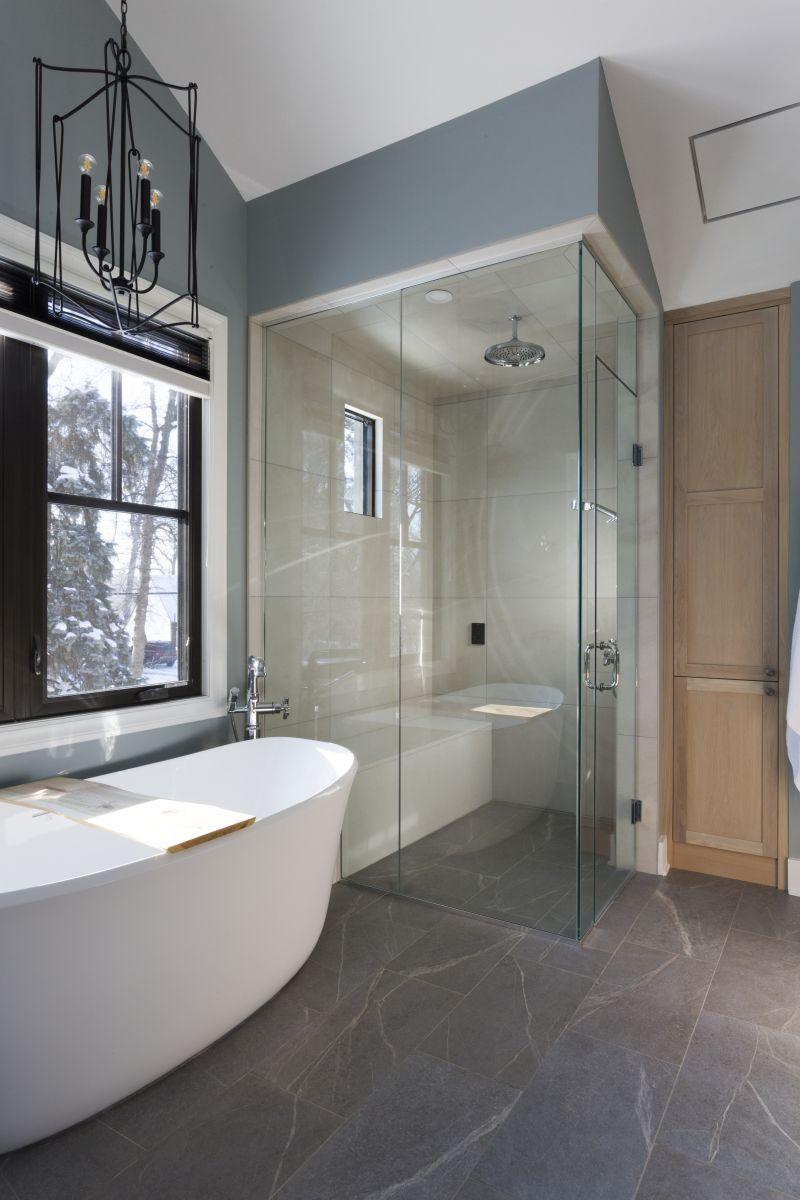
Your home doesn’t need to be defined by just one design style. In fact, some of the most interesting and timeless interiors are created by thoughtfully blending different aesthetics. Mixing design styles allows you to create a space that feels layered, collected, and uniquely reflective of how you live.
Rather than committing to a single look, combining elements from different eras and influences can add depth, personality, and visual interest to your home. When done intentionally, contrast becomes a tool that enhances cohesion rather than disrupts it.
If you’re looking to confidently blend styles without creating visual confusion, here are three key principles to guide your design process.
1. Start with a Cohesive Color Palette
A well-defined color palette is the foundation of a successful mixed-style interior. It acts as the unifying element that ties different pieces together, even when they come from contrasting design eras.
By selecting your core colors early in the design process, you create consistency across furniture, finishes, and décor. This allows you to incorporate a variety of styles while maintaining a sense of harmony throughout the space.
Deeper, richer tones such as forest green, or navy can be especially effective when blending modern and traditional influences, as they help bridge stylistic differences.
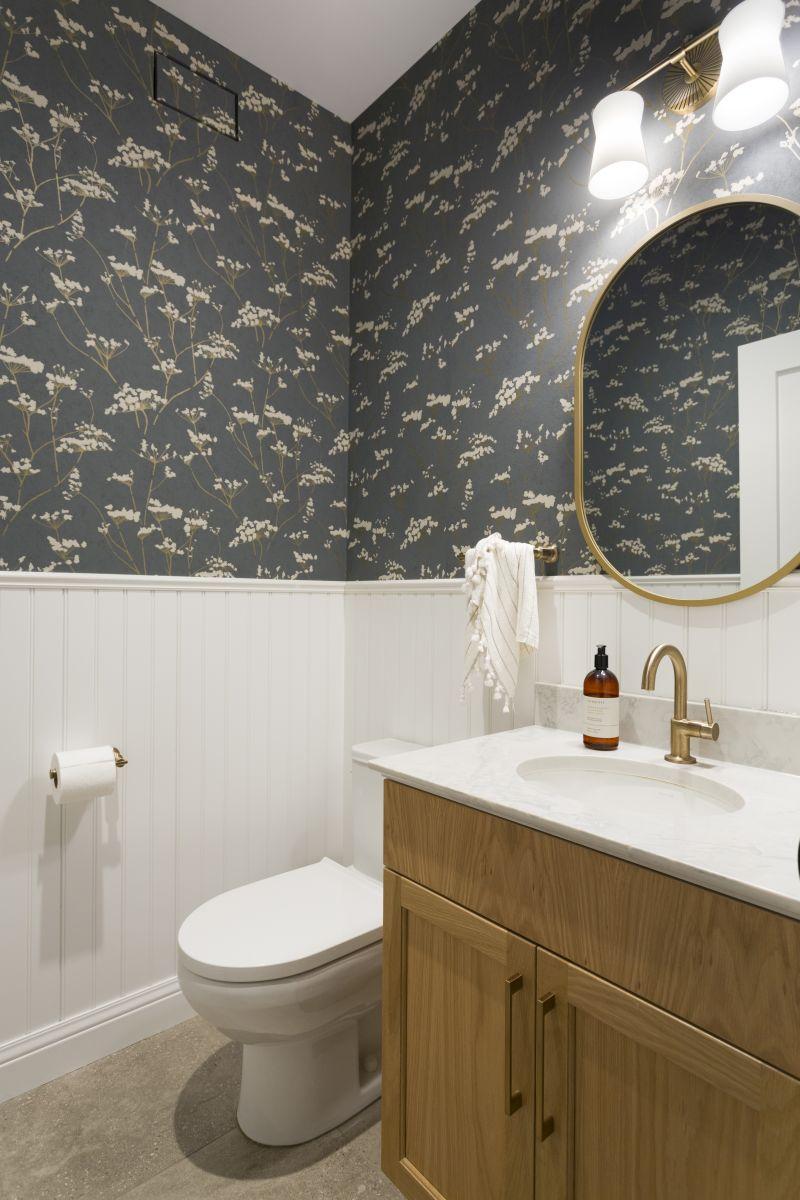
Tip: Limit your palette to 3–5 core colors. Let variation in style come through shape, texture, and detail rather than competing colors.
2. Repeat Shape and Form Throughout the Space
One of the most effective ways to unify mixed design styles is through repeated shapes and silhouettes. Even when pieces come from different eras, shared forms create visual rhythm and consistency.
For example, curved furniture can complement rounded mirrors or soft-edged lighting, while more structured, linear pieces can be balanced with geometric patterns or angular décor elements.
This repetition of form helps create a subconscious connection between objects, allowing the space to feel intentional rather than disconnected.
3. Establish a Dominant Design Style
To avoid a space feeling fragmented, it’s important to establish a clear dominant style as your foundation. This becomes the guiding framework for the overall design direction.
Once your primary style is defined, you can thoughtfully layer in secondary influences. These supporting pieces should complement the dominant aesthetic through shared colour tones, materials, or shapes.
This approach creates hierarchy within the space, ensuring that while multiple styles are present, they feel balanced rather than competing for attention.
Bringing It All Together
Mixing design styles is not about following strict rules, it’s about creating balance through intention. When color, form, and hierarchy are carefully considered, contrasting styles can work together seamlessly.
The result is a home that feels curated rather than decorated, and deeply personal rather than generic.
Ultimately, blending design styles allows your space to tell a story. One that reflects your experiences, influences, and the way you truly live.