
The way a room feels upon entering communicates volumes about its character. A warm, inviting space immediately puts us at ease, while a cold, sterile environment can create a sense of discomfort. One of the most effective ways to shape that experience is through texture. Thoughtful layering of textures adds depth, visual interest, and a subtle sense of intimacy that makes a space feel both curated and welcoming.
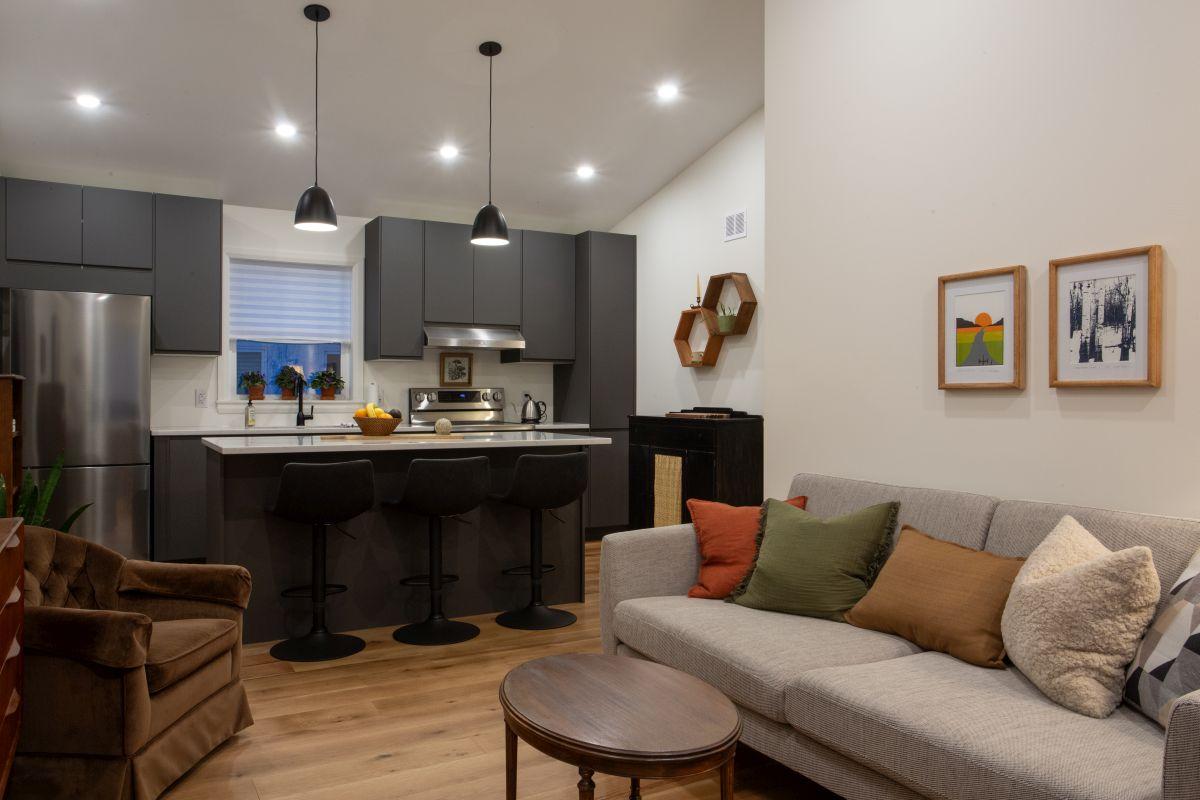
Why Texture Matters
Texture introduces a second layer of visual and tactile richness. While tactile texture relates to what we can physically feel, visual texture engages the eye, guiding perception and influencing the overall mood of a room.
- Smooth surfaces:
Tend to expand a space, making it feel more open and airy.
- Rough or layered textures:
Create warmth and intimacy, helping large or minimal spaces feel more approachable.
By carefully balancing these elements, designers can enhance a room’s atmosphere while subtly affecting how its scale and proportions are perceived.
How to Layer Textures
Incorporating texture need not be complicated. Consider the following approaches to add layer textures in your own home:
- Walls:
Bring in materials such as cement board, limewash, wood paneling, or stone can create depth and tactile interest.
- Flooring:
Layer area rugs over wood or use stone or tile for your flooring. This will introduce a soft feel and create visual contrast.
- Accessories & Finishes:
Matte black fixtures, polished nickel accents, or ceramic pieces can punctuate a space and highlight surrounding textures.
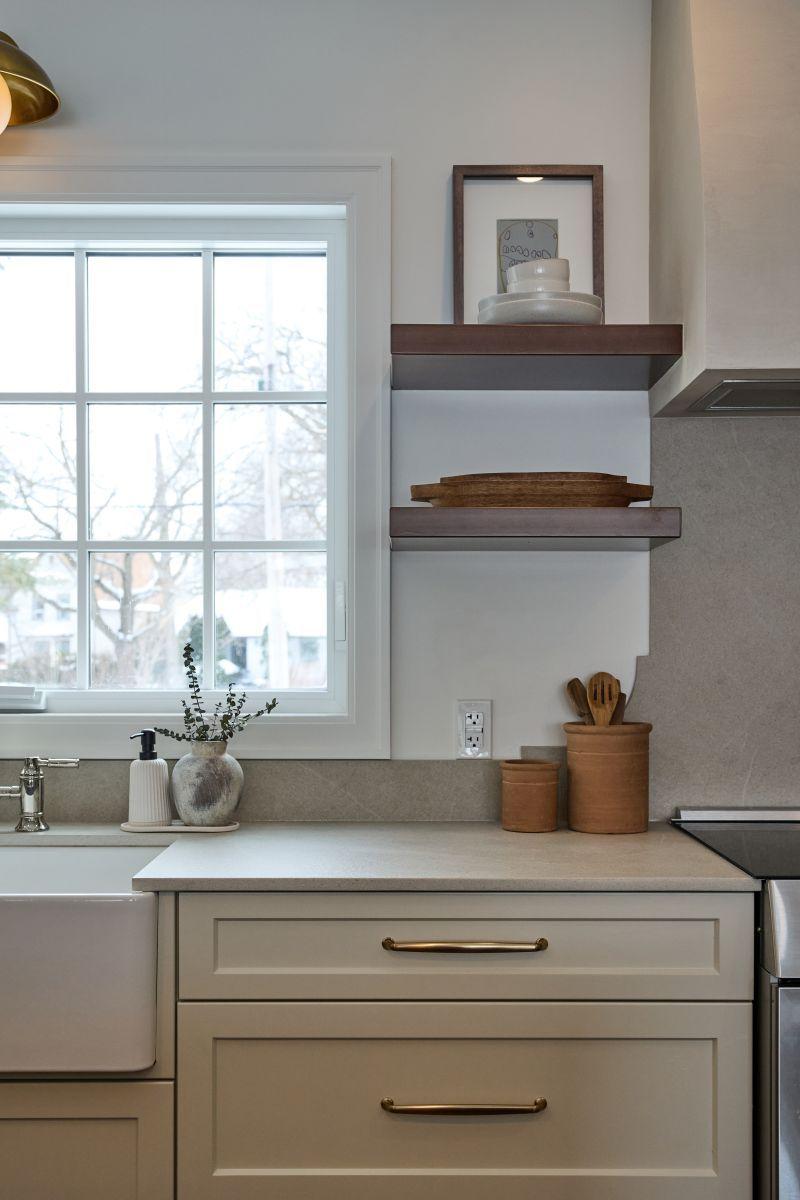
The goal is to mix soft and hard, large and small, smooth and rough textures in a way that feels deliberate, harmonious, and visually compelling.